

As school begins, routine shifts and educational transitions can feel stressful—especially for autistic students, families, and educators. Anchoring the process in evidence-based strategies helps reduce anxiety and boost confidence. The HANDS in Autism® Model provides exactly that through its HOUSE framework, with “Build the Environment”, including physical and visual structure, forming one of its five essential units.
What is the “Build the Environment” Component?
Within the HOUSE conceptual framework, Building the Environment encompasses:
- Work systems
- Choreography
- Schedules
- Physical and visual structure
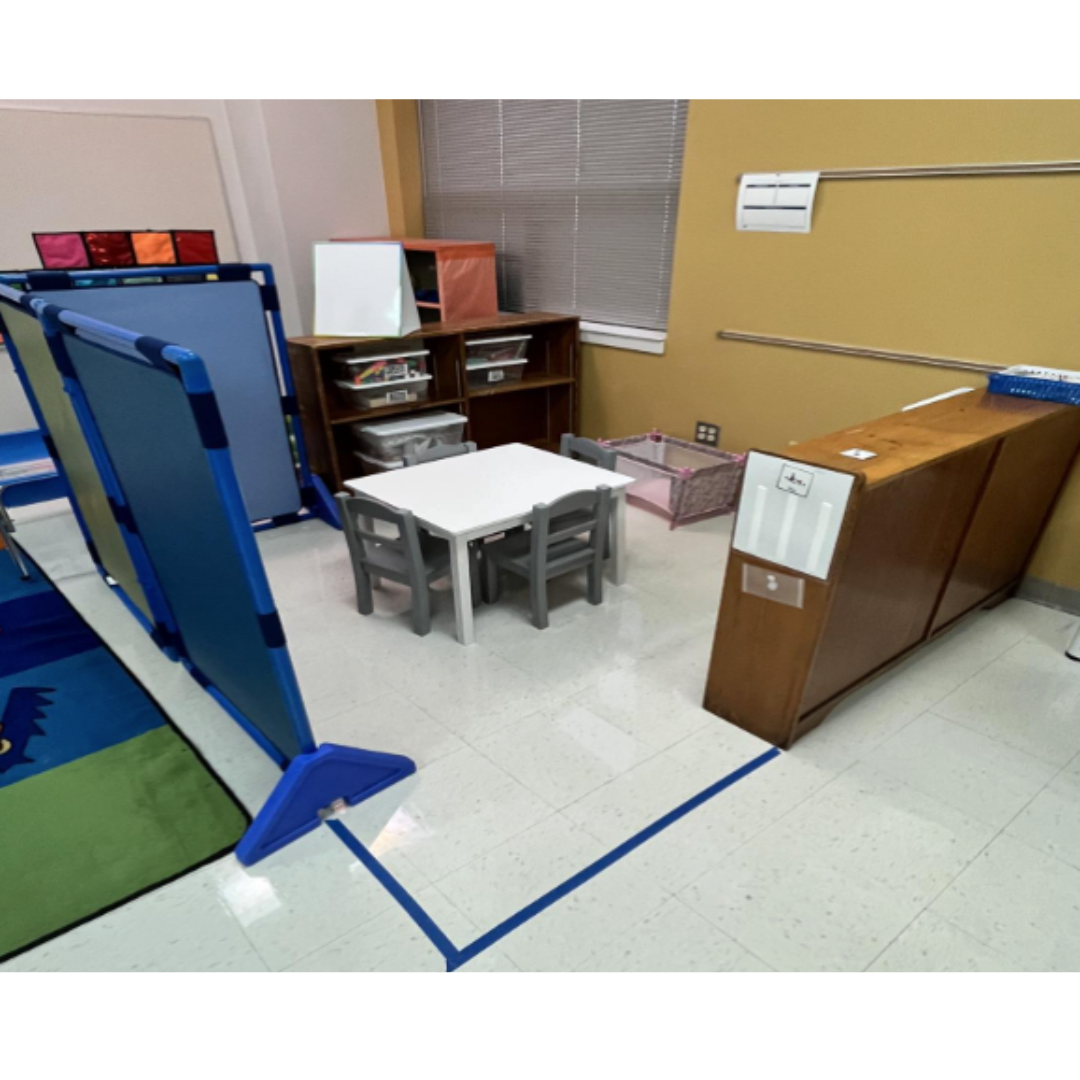
Specifically, physical structure refers to how furniture, materials, and spatial layout are arranged to communicate function and expectation in a learning space. Visual structure adds supports like schedules, signs, and work systems that visually cue routines and transitions.
Why It Matters for Back-to-School
Transitions—whether between summers or classrooms—can stir uncertainty. When the physical layout and visual supports align with predictable routines, students know what to expect. Evidence shows that combining structure with visual supports helps children understand routines, reduces behavioral disruptions, and supports skill generalization.
✏️ Planning Tips: Setting Up Structure Before School Starts
- Map Out Key Zones
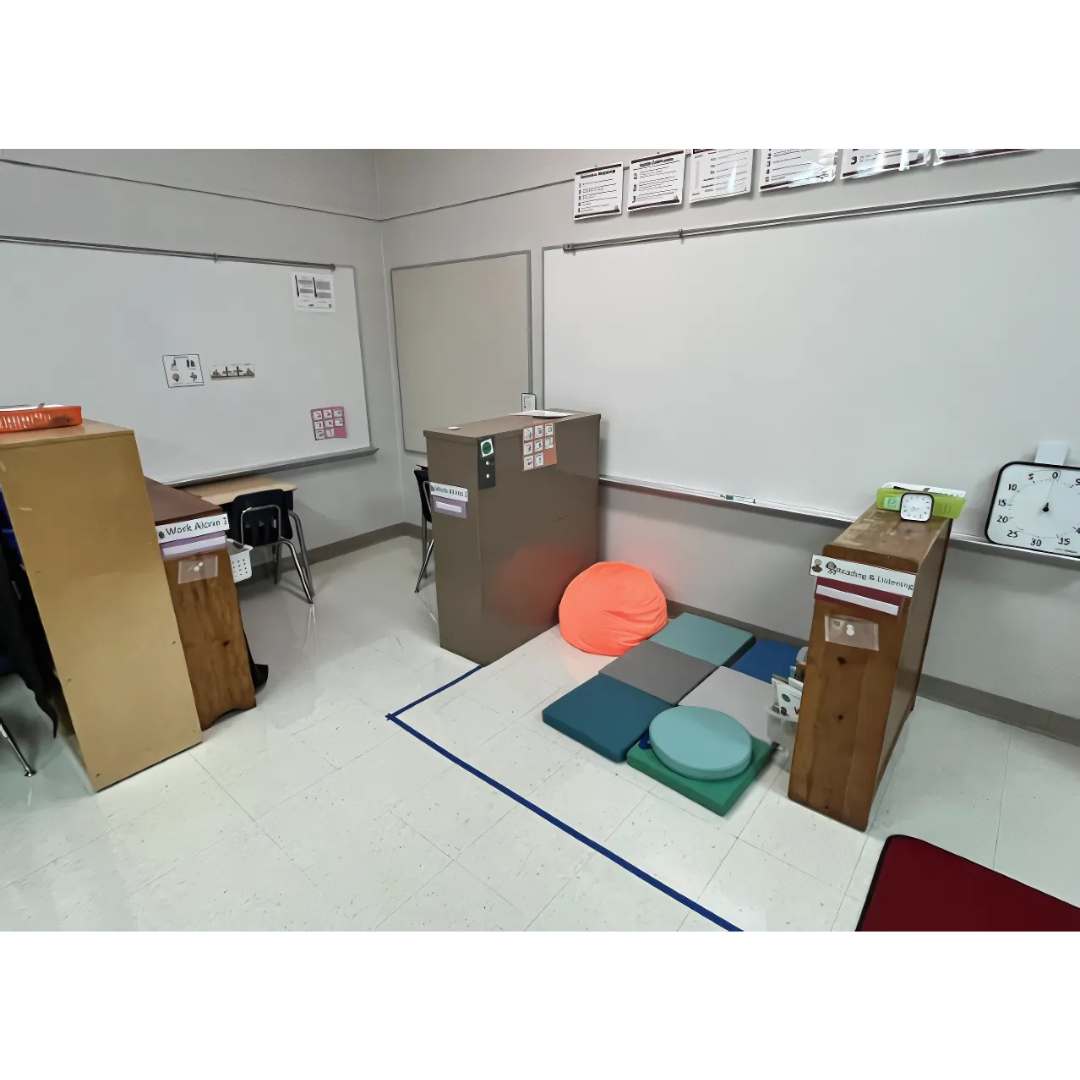
Arrange furniture into clearly defined areas:
- A morning arrival corner with cubbies or hooks
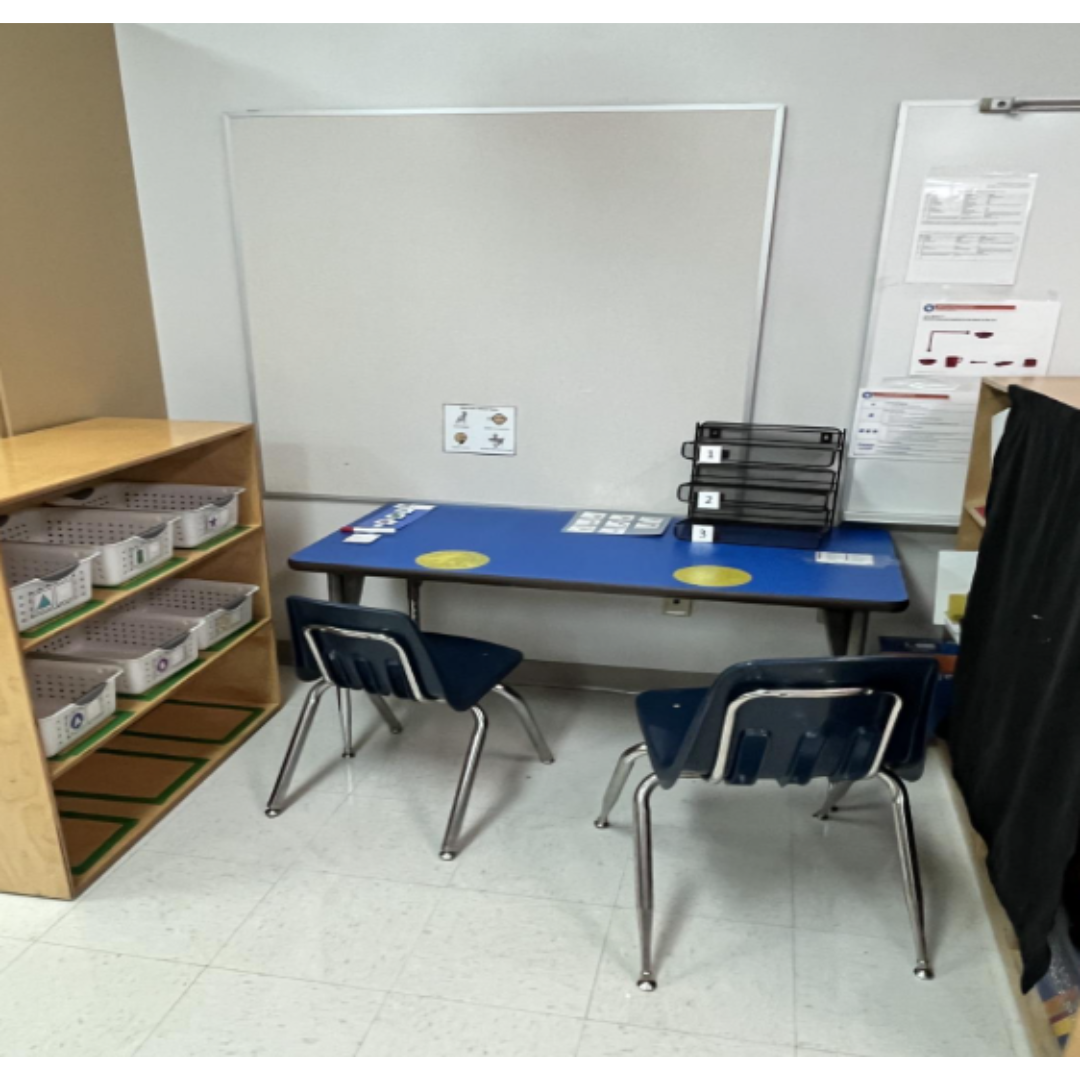
- A workspace for independent work
- A sensory or calm-down nook
- A group instruction table separated with visual boundaries or floor markers
Use tape or rope lines to show walkways or queuing zones in hallways or bathrooms.
- Add Visual Supports in Each Space
- Schedules and to‑do lists at entrance and work zones guide the daily flow
- Signs or cards mark rules for bus use, lunch, bathroom, transitions, and nurse visits
- Use visual work systems, such as bins or labeled drawers, so each item’s place is obvious.
- Practice Scenes with Students
Use social narratives (short stories or picture guides) to explain what to expect in each area (e.g., “This is where I hang my backpack,” or “Here’s how I line up for lunch”)
Pair these with video modeling—a student watching a short video walking through the room, arriving, sitting, and cleaning up calms anticipation
- Reinforce Positive Adaptation
When a child follows a schedule or completes tasks independently, provide specific praise or access to a preferred activity—a key part of positive reinforcement
Using HANDS in Autism’s science-backed House model, focusing on physical and visual structure, makes the return to school smoother—for students and educators alike.
By shaping the learning environment purposefully and practicing routines in advance, we set the stage for confidence, independence, and joy in learning.
Check out the free HANDS Make It Take It webinars and recordings to support structure: Training Options & Workshop Series